PCOD Treatment in Pune
Polycystic Ovary Disorder, commonly referred to as PCOD, is a term frequently used for hormonal and ovulatory concerns associated with irregular menstrual cycles, changes in ovarian function and difficulty with conception. Women may experience different symptoms, and the condition does not affect everyone in the same way. For this reason, PCOD Treatment in Pune should begin with a proper evaluation of menstrual health, ovulation, symptoms and reproductive goals.
PCOD is often used interchangeably with PCOS in everyday conversation, although current medical guidelines generally use Polycystic Ovary Syndrome (PCOS) as the standard diagnostic term. An ultrasound showing multiple follicles alone does not establish PCOS. A proper assessment considers the overall clinical picture and other possible causes of similar symptoms.
At Grace IVF Fertility & IVF Centre in Moshi, Pune, PCOD Treatment in Pune is approached according to the individual woman’s concerns. Whether the main issue is irregular periods, difficulty with ovulation, hormonal symptoms or problems conceiving, treatment can be planned after understanding the underlying cause.
What Does PCOD Mean and How Can It Affect You?
The term PCOD is commonly used to describe a condition associated with changes in ovarian function and hormonal balance. Women may notice irregular periods, delayed ovulation, acne, unwanted hair growth or difficulty becoming pregnant.
However, not every woman with irregular periods has PCOD or PCOS. Thyroid disorders, elevated prolactin, changes in weight and other hormonal or reproductive conditions can also affect menstrual cycles.
A PCOD Diagnosis in Pune should therefore involve more than looking at an ultrasound report. The doctor may consider menstrual history, symptoms, clinical findings and appropriate investigations before deciding whether treatment is required.
Understanding the actual cause is particularly important when a woman is trying to conceive, because treatment for irregular ovulation may differ from treatment for other reproductive conditions.
Recognizing Symptoms That May Be Linked With PCOD
The symptoms associated with PCOD can vary considerably. Some women may experience only menstrual irregularity, while others may have several symptoms together.
Common concerns include:
- Irregular or delayed periods
- Missed periods
- Difficulty predicting ovulation
- Acne or oily skin
- Increased facial or body hair
- Scalp hair thinning
- Changes in weight
- Difficulty becoming pregnant
- Menstrual cycles that vary considerably in length
Persistent symptoms should not simply be attributed to PCOD without evaluation. A PCOD Specialist in Pune can assess whether the symptoms fit a PCOS-type hormonal pattern or whether another condition needs to be investigated.
How Is PCOD Evaluated Before Treatment?
A detailed PCOD Evaluation in Pune generally starts with a discussion about menstrual cycles and symptoms. The doctor may ask about the timing and frequency of periods, previous pregnancies, fertility history, weight changes, medications and other relevant health concerns.
Depending on the individual situation, evaluation may include:
Menstrual and Ovulation History
The pattern of periods can provide useful information about whether ovulation may be occurring regularly. However, menstrual history alone cannot determine the exact cause of irregular cycles.
Clinical Assessment
Symptoms such as acne, increased hair growth or scalp hair thinning may be assessed when relevant.
Hormonal Testing
Selected blood tests may be recommended depending on the symptoms and clinical findings. These tests can help evaluate hormonal abnormalities and rule out other causes of menstrual irregularity.
Ultrasound Examination
An ultrasound can provide information about the ovaries and other pelvic structures. However, ovarian morphology should be interpreted in combination with the clinical picture rather than treated as a diagnosis by itself.
This comprehensive approach makes PCOD Diagnosis in Pune more useful than relying on a single test.
Understanding Irregular Periods and Ovulation Problems
Irregular periods are one of the most common reasons women seek PCOD Treatment in Pune. When ovulation does not occur regularly, periods may become delayed or unpredictable.
For women who are not planning pregnancy, the treatment objective may be to manage menstrual irregularity and associated symptoms. For women who are trying to conceive, the focus may be different because regular ovulation is important for natural conception.
The doctor may therefore first determine whether ovulation is occurring and identify factors that could be interfering with it.
A PCOD Doctor in Pune can then discuss appropriate options according to the woman’s age, symptoms and reproductive plans.
How PCOD Can Affect Fertility
PCOD-related ovulatory problems can sometimes make conception more difficult. However, having PCOD does not automatically mean infertility.
Some women with PCOD ovulate regularly and become pregnant naturally. Others may have irregular ovulation and require fertility support.
When pregnancy is being planned, PCOD and Fertility in Pune should be evaluated as part of a complete fertility assessment.
The evaluation may consider:
- Menstrual cycle pattern
- Ovulation
- Duration of trying to conceive
- Previous pregnancy history
- Ovarian factors
- Fallopian tube-related factors when indicated
- Sperm-related factors when appropriate
This broader assessment helps determine whether irregular ovulation is actually the main fertility concern.
When Is PCOD Treatment Necessary?
Not every woman with PCOD-like symptoms needs medication. Treatment depends on the symptoms, diagnosis, reproductive plans and associated health concerns.
PCOD Treatment in Pune may involve different approaches depending on the primary concern.
Managing Irregular Menstrual Cycles
If periods are significantly irregular or absent, appropriate menstrual management may be discussed. The choice depends on whether pregnancy is currently desired and the woman’s overall health.
Supporting Healthy Lifestyle Habits
Regular physical activity, balanced nutrition, sufficient sleep and sustainable weight management can form an important part of PCOD Management in Pune.
These measures are particularly relevant when weight-related or metabolic concerns are present. Lifestyle changes should be practical and sustainable rather than based on restrictive diets or quick-fix approaches.
Managing Skin and Hair-Related Symptoms
Acne, increased facial or body hair and scalp hair thinning can affect some women. Treatment can be considered according to the particular symptom and whether pregnancy is being planned.
Addressing Ovulation Problems
When irregular ovulation is affecting conception, fertility-focused treatment may be considered after appropriate evaluation.
Fertility Treatment for Women With PCOD
For women trying to conceive, PCOD Fertility Treatment in Pune may begin with determining whether ovulation is occurring regularly.
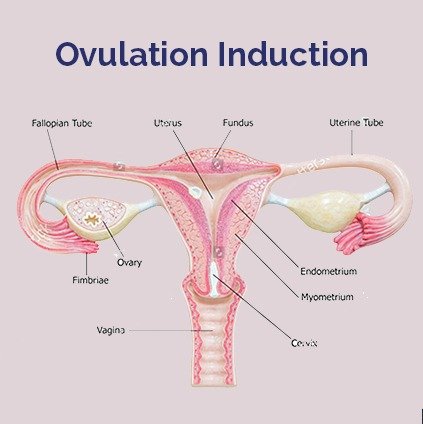
If irregular ovulation is identified, the doctor may discuss ovulation induction and appropriate monitoring. The choice of treatment depends on the individual’s medical history and fertility assessment.
If pregnancy does not occur despite appropriate ovulation-focused management, other fertility factors may need to be assessed. Depending on the findings, treatments such as IUI or IVF may be considered.
Having PCOD does not automatically mean that IVF is necessary. Fertility treatment should progress according to the individual’s clinical situation and response to earlier treatment.
Managing PCOD While Planning a Pregnancy
Women planning pregnancy often want to know whether PCOD will affect their chances of conception. The answer depends largely on whether ovulation is regular and whether other fertility factors are present.
A PCOD Doctor in Pune can review menstrual cycles and assess whether ovulation may be occurring normally. If ovulation is irregular, treatment can focus on supporting ovulation.
Women should also discuss any existing medicines, supplements or previous fertility treatments before attempting pregnancy. The treatment plan may need to change once pregnancy becomes the immediate goal.
At Grace IVF Fertility & IVF Centre, PCOD Treatment in Pune can be integrated with fertility care when pregnancy planning is the primary concern.
Why Individualized Care Matters for PCOD
Two women with similar menstrual symptoms may have different underlying causes and therefore require different treatment approaches.
One woman may primarily need help with irregular periods. Another may be concerned about acne or excess hair growth. A third may be trying to conceive and need support for irregular ovulation.
This is why PCOD Management in Pune should be based on the woman’s individual clinical situation.
The treatment plan may consider:
- Menstrual cycle pattern
- Ovulation
- Fertility goals
- Hormonal symptoms
- Metabolic health
- Previous treatment
- Response to treatment
- Other medical conditions
A structured PCOD Evaluation in Pune helps determine which concerns require treatment and which do not.
FAQ
Frequently Asked Questions About PCOD
The terms are often used interchangeably in everyday conversation, particularly in India. However, Polycystic Ovary Syndrome (PCOS) is the standard medical terminology used in current international guidelines. An ultrasound showing multiple follicles alone does not establish PCOS.
Irregular ovulation can lead to irregular or delayed periods in women with PCOS-type hormonal problems. However, other medical conditions can also cause irregular periods, so proper evaluation is important.
Yes. PCOD or PCOS does not automatically prevent natural pregnancy. Some women ovulate regularly, while others may require treatment to support ovulation.
No. Treatment depends on symptoms, diagnosis, reproductive goals and associated health concerns. Some women may need only monitoring and lifestyle management, while others may require medical treatment.
Yes, irregular ovulation can occur in women with PCOS. When pregnancy is being planned, ovulation may need to be evaluated as part of fertility care.
A PCOD Doctor in Pune may review your menstrual cycles, symptoms, medical history and fertility goals. Depending on the findings, the doctor may recommend blood tests, ultrasound or other investigations.
Yes. PCOD Fertility Treatment in Pune may include treatment aimed at supporting ovulation when irregular ovulation is contributing to difficulty conceiving.