PGS Test for IVF in Pune at Grace IVF Fertility Centre
PGS – Pre Implantation Genetic Screening PGS Test for IVF in Pune at Grace IVF Fertility Centre
Having a healthy baby is the biggest dream for every couple. But sometimes, even after IVF, some couples face repeated failures, miscarriages, or genetic problems that affect embryo health. This is where the PGS Test for IVF in Pune becomes important. It helps doctors check the chromosomes of embryos before transferring them into the uterus. By choosing healthy embryos, the chances of pregnancy and a healthy baby become much higher.
At Grace IVF Fertility & IVF Centre, located inside Dhanashree Multispeciality Hospital in Moshi, Pune, we use the latest technology to perform PGS Testing in Pune with accuracy and safety. Our goal is simple — to help you have a healthy pregnancy with fewer risks and more confidence.
Led by Dr. Kanchan Durugkar, one of the most trusted fertility specialists and IVF doctors in Pune, Grace IVF offers advanced fertility care with kindness, honesty, and clear explanations. Dr. Kanchan believes that every couple deserves to understand their treatment in simple language, without confusion or stress.
What is PGS and Why is It Needed?
PGS (Pre Implantation Genetic Screening) is a test done on embryos created during IVF. Before placing the embryo inside the uterus, a small number of cells are taken from the embryo and checked for chromosomal problems.
This test does not harm the embryo. Instead, it gives important information about whether the embryo is healthy and has the correct number of chromosomes. Healthy embryos have a much higher chance of implantation, pregnancy, and live birth.
The PGS Test for IVF in Pune is especially useful for couples who want to avoid miscarriage or repeated IVF failures. With PGS, the doctor can select the strongest and healthiest embryos for transfer.
How Does the PGS Test for IVF in Pune Work?
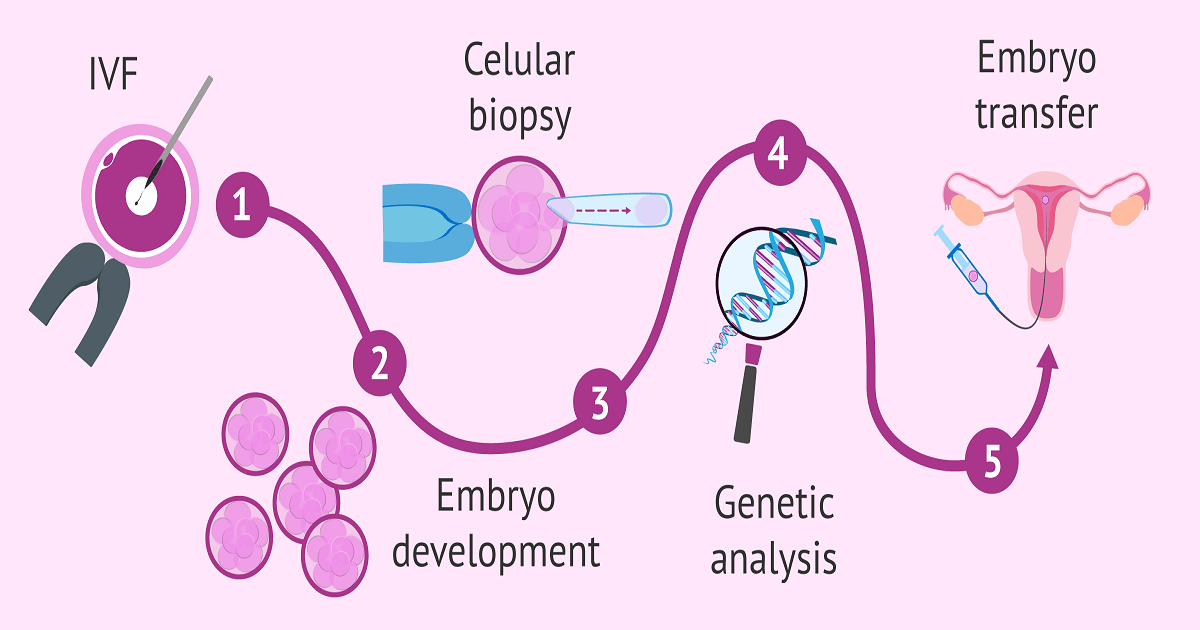
The PGS process begins after IVF. Once the eggs and sperm are combined and embryos start growing, a few cells are carefully taken from the embryo. These cells are then studied in a genetic lab to check if the embryo has normal chromosomes.
After testing is done, the healthy embryos are frozen. In the next cycle, these embryos are transferred into the uterus. Because we choose only the best embryos, the success rate becomes much higher.
At Grace IVF, the PGS Testing in Pune process is done with the latest international standards. Every step is handled by trained genetic experts and embryologists to ensure accurate results.
Why Do Couples Choose PGS Test for IVF in Pune?
Many couples feel confused when they hear about PGS. But when they understand its benefits, they feel confident and supported. PGS Testing is helpful in many situations, such as:
1. Repeated IVF failures
If previous IVF attempts did not result in pregnancy, the problem might be due to chromosomal issues in the embryo. The PGS Test for IVF in Pune helps select embryos with normal chromosomes, increasing the chances of success.
2. Recurrent miscarriages
Miscarriages often happen because of genetic problems. PGS Testing in Pune helps avoid transferring embryos that may lead to miscarriage.
3. Advanced maternal age (35+ years)
As women age, the chances of abnormal chromosomes increase. PGS helps identify healthy embryos for women aged 35 and above.
4. Low fertility or poor-quality embryos
PGS helps reveal which embryos have the best chance of healthy development.
5. Family history of genetic disorders
If genetic problems run in the family, PGS Testing in Pune can help reduce the risk of passing them to the baby.
Why Choose Grace IVF for PGS Testing in Pune?
Grace IVF in Moshi, Pune, has become a trusted fertility centre for couples searching for safe and reliable PGS Test for IVF in Pune. Many couples choose us because of:
Expertise of Dr. Kanchan Durugkar
With more than 10 years of experience in IVF, IUI, infertility care, PCOS treatment, and laparoscopy, Dr. Kanchan is known for her calm nature, clear communication, and deep understanding of fertility problems.
Advanced Genetic Testing Facility
Our PGS Testing in Pune follows international standards and uses advanced genetic tools for accurate results.
Honest and supportive care
Every couple is guided with patience and kindness. There are no false promises, only scientific treatment and emotional support.
Safe, clean, and modern centre
Grace IVF is located inside Dhanashree Multispeciality Hospital, Moshi. The centre has a modern IVF lab, world-class equipment, and experienced embryologists.
Affordable and transparent pricing
We explain every test, every step, and every cost clearly—no hidden charges and no confusion.
FAQ
FAQs – PGS Test for IVF in Pune
No, the PGS test is not painful at all. This test is done on the embryo inside the lab, not on your body. So you do not feel any pain or discomfort during the process.
Yes, the PGS Test for IVF in Pune can increase IVF success rates. It helps choose embryos with the correct number of chromosomes, which means healthier embryos and a higher chance of pregnancy.
PGS Testing in Pune usually takes 1–2 weeks, depending on the laboratory’s testing time. Once the results are ready, your doctor can decide which embryo has the best chance of a healthy pregnancy.
Yes, PGS is considered safe when done by trained experts. Only a few cells are removed from the embryo without harming its development. The embryo continues to grow normally after the test.
The PGS Test for IVF in Pune is recommended for couples who have faced repeated miscarriages, multiple IVF failures, pregnancy after age 35, or a family history of genetic or chromosomal issues. It helps reduce risks and supports a healthier pregnancy.